
Two-person, bulky and installs
Sofas, beds, white goods, fitness kit and anything installed. Two crew and a long slot ride on one answer, so it also checks the way in and whether the item will fit.
Sofas, white goods, collections, signed-for tech and age-checked orders can’t be left on the step. AnyoneIn checks the customer will be in before the van leaves, by email, then text, then a natural phone call, whether a carrier delivers for you or your own crews do.
Your carrier may run the van, but a failed visit still comes back to you: on the invoice, in your customer-service queue and in the orders that get cancelled.
With your own crews there’s nobody else to pass it to. The wasted slot, the second trip and the phone calls afterwards are all yours.
Your carrier bills for the second trip, and there’s a back-and-forth about whose fault the first one was.
Jobs reach your carrier already confirmed, with who’s signing and how to get in. If a charge is disputed, the job’s record has every message, the call transcript and what the customer told us.
“Where’s my sofa?”, “can you come another day?” and the complaint after a miss all land with your customer service.
Every message gives the date, the window and what’s needed from the customer, and they can answer in their own words, so fewer of them pick up the phone.
A failed collection holds up the refund. The customer chases, and the returned stock loses value while it waits.
It checks someone will be in and asks for a photo of the item ready to go. An AI check flags anything that looks wrong before the collection goes on the round.
Someone calls tomorrow’s customers from a spreadsheet, and plenty of them don’t answer a number they don’t know.
It emails, then texts, then rings the ones who haven’t answered, on your brand and in sensible hours, with nobody on your team dialling.
After a failed delivery, and especially a second one, some customers give up and cancel.
Customers say they’ll be in before the van leaves, or tell you what suits them instead, so fewer deliveries fail in the first place.
Two people and a van for most of an hour, and a second slot taken out of next week’s capacity.
Only jobs with someone confirmed in go on the round, so each crew day does more drops.
The customer rings, the apology voucher goes out, and some cancel the order.
Customers know when you’re coming and who needs to be in. Your team only hears about the jobs that need a person, such as damage or a complaint.
The sofa won’t go up the stairs, or the wardrobe you’re collecting is still standing.
The customer’s page asks about the floor, the lift, the stairs and the narrowest doorway, checks your item sizes against it, and asks for a photo of a collection ready to go.
The crew knock, wait and leave, and the customer was five minutes away.
The driver taps one button on the job’s driver page. The agent rings the customer at once and agrees what the job allows, such as a few minutes’ wait or another day.
Someone calls tomorrow’s customers from a spreadsheet, and plenty of them don’t answer a number they don’t know.
It emails, then texts, then rings the ones who haven’t answered, on your brand and in sensible hours, with nobody on your team dialling.
Figures from our calculator’s default assumptions. Move the slider to your volume, then open the full breakdown to put in your own numbers.
One failed delivery, when a carrier delivers
Our assumption of a £35 charge per failed attempt. Your contract may differ; change it in the calculator.
One failed two-person delivery, with your own crews
A £380 crew day across 12 drops, plus the redelivery. Every figure is an assumption you can change.
Each kind of job gets its own rules in every message, so the customer knows what’s needed before anyone knocks.
Sofas, beds, white goods, fitness kit and anything installed. Two crew and a long slot ride on one answer, so it also checks the way in and whether the item will fit.
Someone in to hand it over, the item taken apart or boxed, and the right item and quantity, with a photo to show it’s ready. How collections work
Phones, laptops, jewellery and alcohol can’t go in a safe place. Every message says a signature is needed, or someone aged 18 or over, and “someone else will be in” gets a name for the driver.
For parcels alone, a failed delivery costs about £11.60, and a lost order about £147.1 Deliveries that need someone in cost far more.
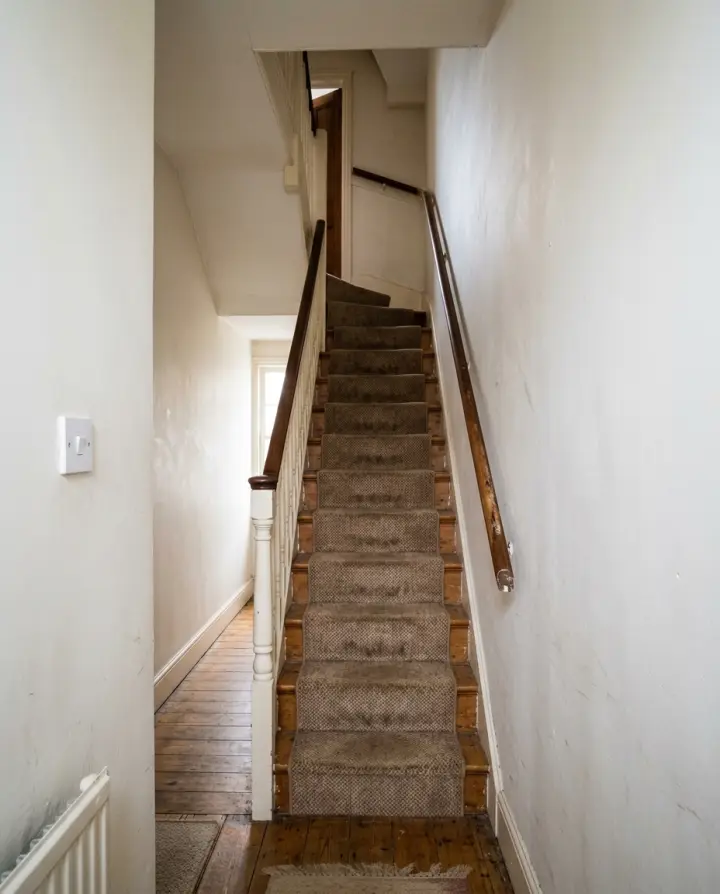
Once the customer confirms, their page asks about the way in: house or flat, the floor, the lift, the stairs, the narrowest doorway or hallway, and parking. The answers go onto the job’s driver page, for your crew or your carrier’s.
The customer’s answers
Your order says
Its smallest side is 68 cm, through a 76 cm gap. Nothing to flag, and the answers go on the driver page.
74 cm against a 76 cm gap. The note goes to the crew and onto the job, so they can plan the carry.
Its smallest side (88 cm) is wider than the narrowest point. Your ops email hears straight away, and the customer is told you’ll be in touch before the day.
The customer measures the gap; the sizes come from your order. Turning stairs, a floor with no lift and parking permits are noted too.
Send the item sizes. The smallest side has to pass the narrowest point the customer gives, and turning stairs, no lift or a parking permit are noted. If it’s unlikely to fit, your ops email is told and the customer hears you’ll be in touch before the day.
Every job has a driver page link for the manifest or your driver app. It shows the floor, the lift, the narrowest point, parking, the photo check and who’s signing, with only the customer’s first name and area.
If nobody answers, the driver taps “I’m at the door and nobody’s answering”. The agent rings the customer at once and agrees what the job allows: a short wait, a neighbour aged 18 or over who signs, or a new day. High-value, two-person and install jobs stay with the household.
AnyoneIn checks with the customer before the job goes to a crew, so it doesn’t matter whether that’s your own fleet, a two-person carrier or a parcel courier. Your system sends each job and gets the answer back.
A 60-day pilot with your first 2,000 jobs free, and a hold-out group so you can see the difference in your own numbers.
Take a 60-day pilot with a hold-out group, and see the difference in your own numbers.